
There is no universally correct answer, and anyone who gives you one without asking about your mileage first is selling rather than advising. Here is the honest comparison.
Leasing and Buying, Side by Side
The mechanics, without the sales framing. Every figure in a real lease or loan is set per customer and per cycle, so this page deals in how each option works rather than in numbers that would be out of date by the time you read them.
| Leasing | Buying | |
|---|---|---|
| What you pay for | The portion of the car's value you use during the term | The whole car |
| At the end | Hand it back, buy it at the pre-agreed price, or start again | You own it, free of payments |
| Equity | None | Builds with every payment |
| Mileage | Capped. Excess miles are charged at the end | Unlimited. Drive it as much as you like |
| Wear and tear | Assessed against a standard when you return it | Your car, your call |
| Modifications | Generally not permitted | Yours to do as you please |
| Warranty coverage | Typically covered for most or all of the term | Covered early, then it is on you |
| Depreciation risk | Carried by the leasing company | Carried by you |
| Ending it early | Possible but generally expensive | Sell or trade whenever you want |
| Best suited to | Predictable, moderate mileage and a taste for newer cars | High mileage, long ownership, or wanting an asset at the end |
Which One Fits How You Actually Drive?
Read both lists and count how many apply to you. It is usually not close once you are honest about mileage.
Leasing tends to fit if
- You like driving something newer every few years
- Your annual mileage is predictable and moderate
- You want to stay under factory warranty for the whole time you have the car
- You would rather not deal with selling or trading later
- Your household situation is stable for the length of the term
- You want the leasing company carrying the depreciation risk, not you
Buying tends to fit if
- You keep cars well past the point they are paid off
- You drive a lot, or your mileage varies year to year
- You want an asset you can sell or trade whenever you choose
- You want to modify the car, tow with it, or work it hard
- Your plans over the next few years are genuinely uncertain
- The idea of a permanent car payment bothers you
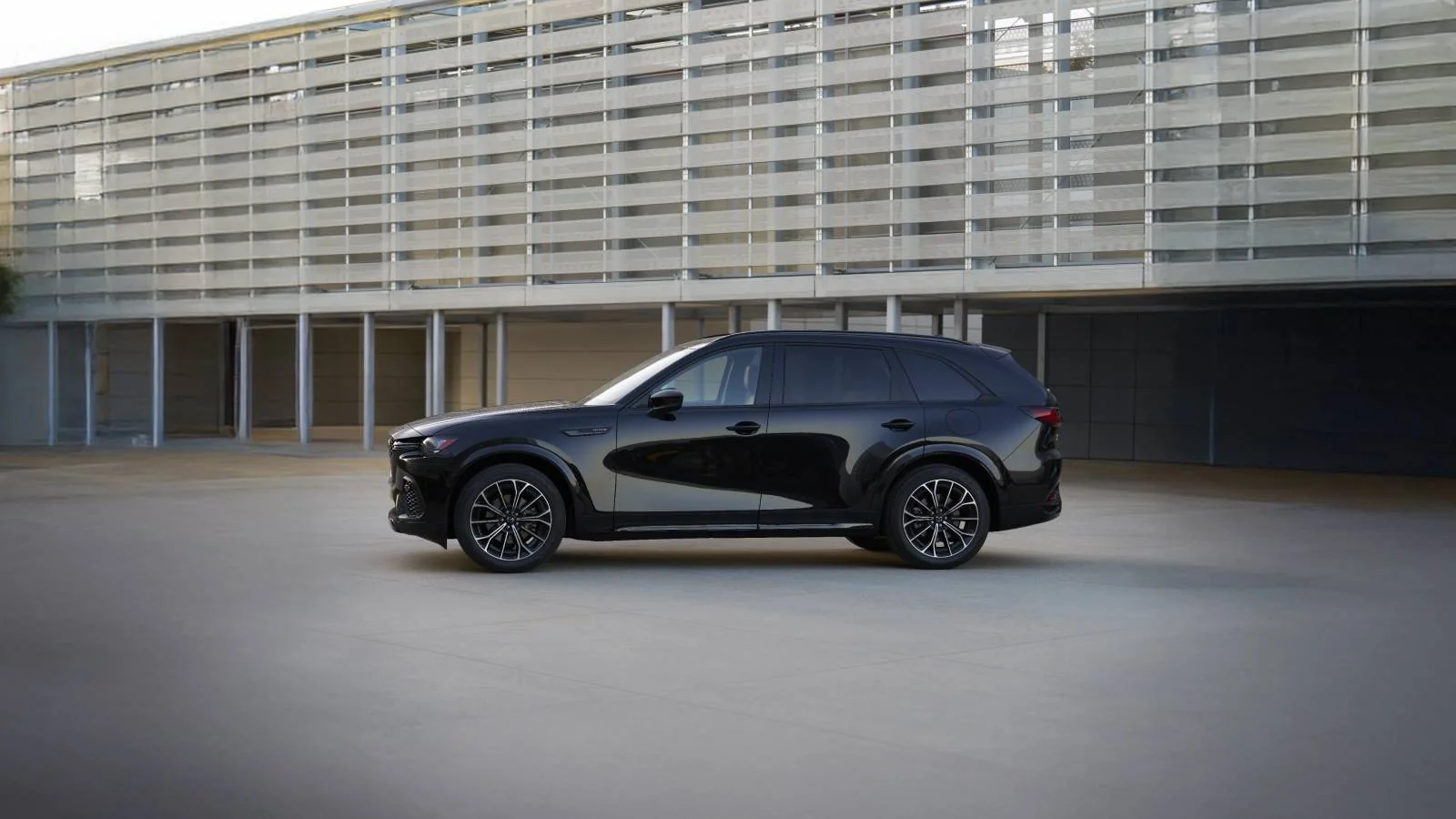
Count your real annual mileage before anything else. A commute from Durham out I-40 to Raleigh, or down NC-147 to Research Triangle Park, five days a week, accumulates faster than almost everyone estimates. A hybrid work pattern or a short cross-town run to Duke or downtown often sits comfortably inside a standard lease allowance instead.
Check your last two annual inspection reports. The mileage is recorded on both, and the difference between them is the honest number. Guessing low here is the single most common and most expensive mistake in leasing.
What People Get Wrong About Both
"Leasing is throwing money away"
The usual objection, and it is only half right. You are paying for the use of the car and the depreciation over that period, which is a real thing you are consuming. Buying costs you that same depreciation, you just do not see it as a line item until you sell. The genuine difference is that buying leaves you with an asset at the end and leasing does not.
"Buying is always cheaper"
Over a long enough ownership period it usually is, because you eventually stop making payments. If you replace your car every three years regardless, the gap narrows a lot, and the total cost depends heavily on maintenance, what the car is worth when you sell, and your own tax situation. There is no universal answer, and we are not going to pretend there is.
"You can just hand a lease back early if things change"
This is the one that catches people out. Ending a lease early generally means paying a substantial portion of what remains. If your job, your commute or your household could realistically change in the next few years, that uncertainty is a real argument for buying.
"Wear-and-tear charges are a scam"
They are contractual and defined in advance. Everyday scuffing is expected and not charged. Kerbed wheels, cracked windscreens, torn upholstery and unrepaired dents generally are. If you have young children, a dog and a gravel driveway, read that section of the agreement carefully before you sign.
The right answer depends on your mileage, how long you keep cars, and your own circumstances. Our finance team will walk through both options against your actual situation without pushing you toward either. If credit is a concern, our credit counseling page is a straightforward place to start.
Lease vs Buy Questions
Is it better to lease or buy a car?
What is the main difference between leasing and buying?
How many miles does a car lease allow?
Can I buy the car at the end of a lease?
Does leasing or buying build equity?
What happens if I damage a leased car?
Can I end a lease early?
Which is right for a Durham commuter?
Run the Numbers With Us
Bring your real annual mileage and how long you tend to keep a car. Twenty minutes with our finance team will settle this better than any calculator, because the answer depends on details a calculator does not ask about.
Sport Durst Mazda
4515 Durham-Chapel Hill Blvd, Durham, NC 27707
www.sportdurstmazda.com
Serving Durham, Chapel Hill and Raleigh. Sales:
(919) 873-4428What Triangle Customers Say
Still Not Sure? That Is Normal.
Most people arrive undecided and leave clear. Start an application or just call and ask.
General information only, not financial advice. Lease and finance terms, mileage allowances, wear-and-tear standards, purchase options and end-of-term obligations are set out in your individual agreement and vary by lender, program and applicant. Not all applicants will qualify for every finance or lease program. Review your own contract and consult a qualified financial or tax professional about your circumstances. Contact Sport Durst Mazda at (919) 873-4428 for details specific to your situation.
